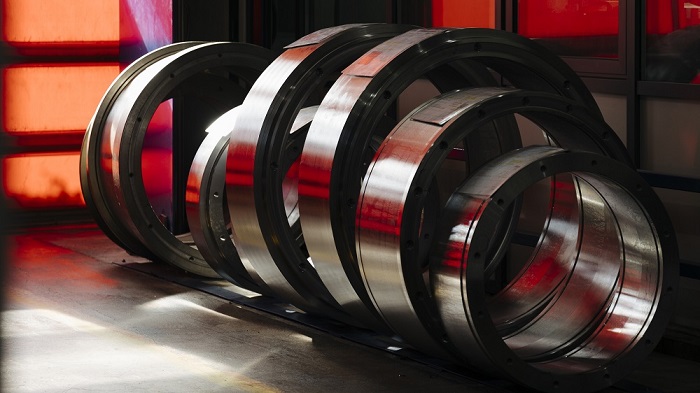
Factors Affecting the Life of a Pellet Die
A pellet die is a critical component in the pelletizing process, directly influencing the efficiency, quality, and cost-effectiveness of production. The lifespan of a pellet die depends on several factors, including material selection, operational parameters, maintenance practices, and feed formulation. Understanding these factors can help maximize productivity while reducing downtime and replacement costs.
1. Feed formulation
Feed formulation plays an important role in determining the wear and longevity of a pellet die.
Fiber Content: Formulations rich in fiber are harder to pellet and can shorten die life.
Fat or Oil Content: Higher oil content in the feed can lead to less friction and potentially longer die life.
Frequent changes in formulation without adjusting die specifications can cause inconsistent stress, leading to premature die fatigue or failure.
2. Raw Material Characteristics
The type of raw material being processed affects die wear. Harder and more abrasive ingredients, such as those with high silica content, can cause faster wear. Additionally, the moisture and fat content of the raw material influence the friction and pressure inside the die, affecting its lifespan.
3. Particle Size of the Mash
A consistent particle size in the mash, typically in the range of 600-900 microns, is ideal for good pellet quality and die life. Uneven particle sizes can increase wear and tear on the die. Poorly conditioned mash (too dry or too wet) can increase friction and reduce die life.
4. Pellet Mill Operation and Settings
Operating parameters such as roller pressure, mill speed, and feeder rate significantly impact die performance. Excessive roller pressure can cause uneven wear, while improper feed distribution can lead to localized stress and premature failure. Maintaining optimal mill settings helps prolong die life.
5. Lubrication and Cooling
Adequate lubrication and cooling mechanisms reduce friction and thermal stress on the die. Overheating can cause material expansion, leading to cracks and deformation. Proper cooling airflow and controlled lubrication enhance the die’s durability.
6. Maintenance and Cleaning
Regular maintenance, including die inspection, cleaning, and de-clogging, prevents excessive buildup of material and blockage in die holes. Running an oil or abrasive mix through the die before shutdown helps clean the holes and reduces corrosion risks.
7. Proper Die Storage and Handling
When not in use, pellet dies should be stored in a dry, clean environment to prevent rust and oxidation. Handling with care, avoiding impacts or drops, helps maintain structural integrity and extends the lifespan.
Conclusion
Maximizing the life of a pellet die requires a combination of right feed formulation, high-quality materials, optimized operating conditions, proper maintenance, and careful handling. By addressing these factors, pellet mill operators can improve efficiency, reduce production costs, and extend the lifespan of their dies, ensuring consistent pellet quality and operational reliability.